Entrepreneurial Edge Insights

Boost business with innovative strategies, trends, growth mindset, and leadership insights from Dr. Michael Thiemann.

Our Magazine for Entrepreneurs and Leaders

Edition 31: The Real Cost of Leadership Vacuums in Startups

Explore the critical impact of leadership gaps in startups with Dr. Michael Thiemann’s expert analysis. Learn how leadership vacuums affect growth, team morale, and business success, and discover how fractional CxOs can provide strategic solutions.

Edition 30: Overcoming Your Fears of Hiring Fractional CxOs!

Address common fears about hiring fractional executives with Dr. Michael Thiemann’s expert guidance. Learn how to overcome concerns about cost, control, confidentiality, and commitment while leveraging part-time executive talent for startup success.

Edition 28: Use Cases of Tokenization of Financial Assets

Explore the transformative power of tokenizing financial assets with blockchain technology for enhanced market efficiency and broader investor access. Delve into use cases across banking, asset management, real estate, and more, showcasing the potential for fractional ownership, improved liquidity, and seamless transactions.
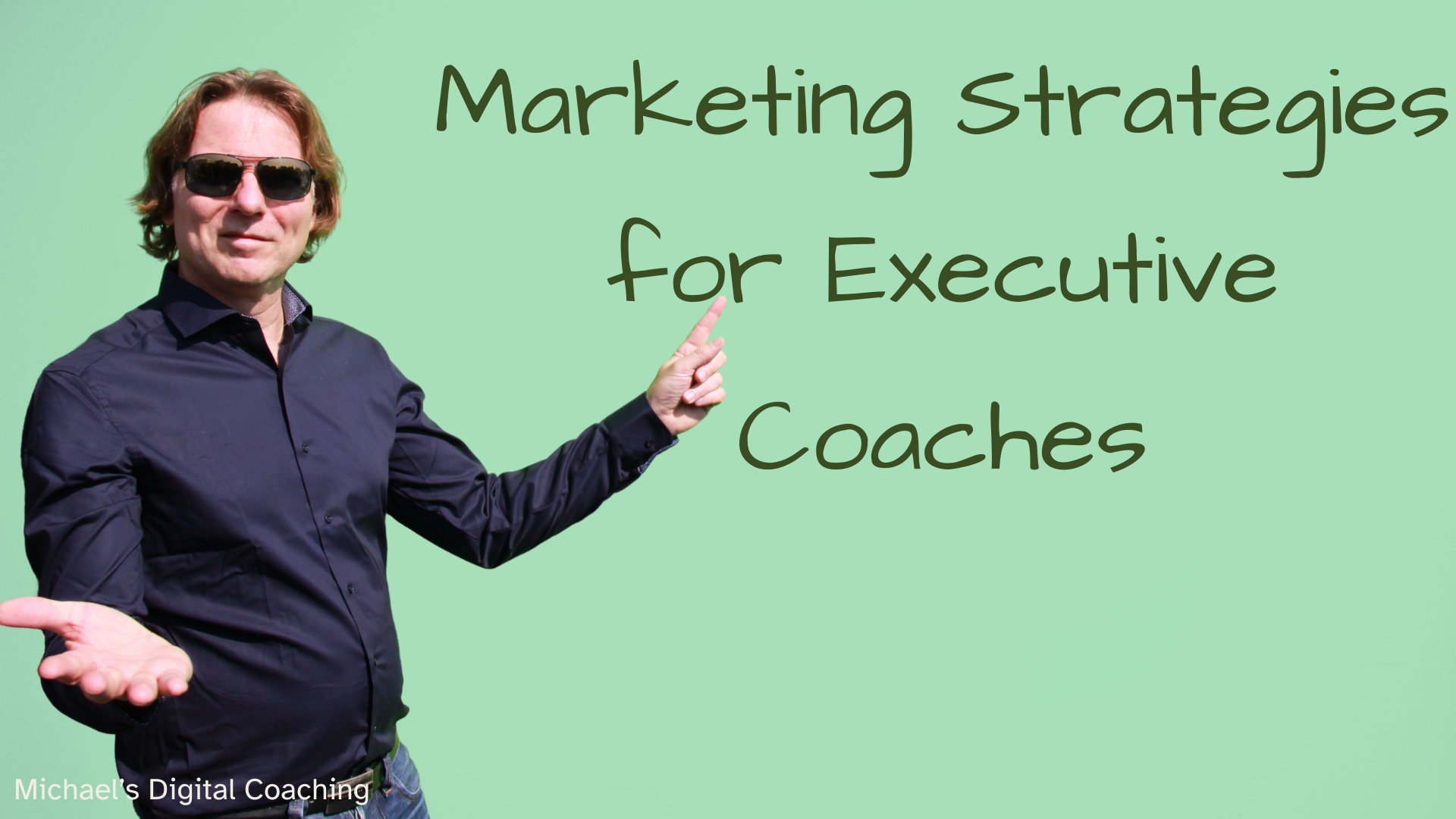
Edition 1: Key Marketing Strategies

INTRODUCTION  FOR EXECUTIVE COACHES

Picture of Dr. Michael Thiemann

Dr. Michael Thiemann

COE/Founder of Strategy-Lab SAS and Entrepreneur & Leadership Academy

In the intricate world of executive coaching, effective marketing is not just beneficial; it’s essential for success. This guide is designed to equip executive coaches with the tools and strategies needed to carve a distinct niche in the competitive market.
By understanding and implementing these strategies, coaches can attract the right clients and build a sustainable and impactful practice. The key is creating a message that resonates deeply with your target audience, establishing a connection beyond the conventional coach-client relationship. In this sense, marketing is an art – it’s about storytelling and creating a brand image that speaks to the hearts and minds of potential clients. It’s about strategically positioning yourself in a way that highlights your unique value proposition, making your services irresistible to those seeking guidance in their executive journey

Defining Your Niche

A niche is more than just a target market; it’s the cornerstone of effective marketing for executive coaches. Defining your niche involves a deep understanding of who you want to serve and how your unique experiences and skills align with their needs. This isn’t about being everything to everyone but about being the perfect fit for a specific group. You set yourself apart in a crowded market by focusing on a well-defined niche. 


This section explores the journey of discovering your niche – from introspection about your strengths and passions to researching market demands and client pain points. It’s about aligning your coaching philosophy with the aspirations and challenges of your ideal clients, thereby creating a symbiotic relationship where your coaching provides the utmost value. This process of niche definition is ongoing, requiring constant reflection and adaptation as you grow in your career and as market dynamics evolve. It’s about finding that sweet spot where your expertise meets client needs, leading to a fulfilling and successful coaching practice.

Building Your Authority

Authority in executive coaching is established through a consistent demonstration of expertise and insight. Building your authority means becoming your niche’s go-to expert, a trusted source of wisdom and guidance. 


This section delves into how executive coaches can build their authority, emphasizing the importance of content creation. Whether it’s writing insightful articles, producing engaging videos, or speaking at industry events, each platform offers an opportunity to showcase your knowledge and experience. It’s not just about sharing what you know; it’s about doing so in a way that adds real value to your audience. Authority building is also about engaging in meaningful conversations, whether online or in person, demonstrating your expertise and commitment to helping others grow. 


This approach to building authority also includes leveraging media opportunities, collaborating with other experts, and continuously learning and sharing new insights in your field. Ultimately, it’s about creating a brand that resonates with authenticity and depth, making you a respected figure in the world of executive coaching.

Leveraging Your Network

Your network is a vital asset in marketing your executive coaching services. It’s about the number of connections and the quality of relationships you cultivate. This section discusses how to leverage these connections effectively, turning them into a supportive network that aids in your business growth. 


Networking goes beyond collecting contacts; it’s about engaging with your community in meaningful ways. Attend industry events, join professional groups, and actively participate in discussions. Each interaction is an opportunity to demonstrate your expertise and learn from others. Don’t underestimate the power of referrals; satisfied clients and peers who understand your value can become your most potent advocates. 


Building a network also means nurturing relationships over time, staying in touch, and providing value even when there’s no immediate gain. It’s about creating a web of connections where mutual support and opportunities flow naturally. Leveraging your network in this way transforms it from a static list of contacts into a dynamic resource that propels your coaching business forward.

Optimizing Your Website

In today’s digital age, your website is your virtual storefront. It’s often the first interaction potential clients have with your brand, making its optimization crucial. This section outlines key strategies to make your website an effective marketing tool. Focus on user experience – ensure your website is easy to navigate, visually appealing, and reflective of your professional brand. Implement SEO best practices to increase visibility and attract organic traffic. 


Your website should clearly articulate who you are, what you offer, and how you can help potential clients. Include compelling calls to action, guiding visitors towards taking the next step, whether it’s booking a consultation or subscribing to your newsletter. Showcase testimonials and case studies to build credibility and give prospects a glimpse of the transformation you provide. Keep your content fresh and relevant, regularly updating it with blog posts, resources, and insights that position you as an authority in your field. 


A well-optimized website attracts the right audience and provides them with a memorable experience, increasing the likelihood of them engaging with your coaching services.

Utilizing Social Media

Social media is a powerful tool for executive coaches to expand their reach and connect with their audience. It’s not just about posting content; it’s about creating meaningful engagement and building a community around your brand. This section explores strategies for effective use of social media. Choose platforms that resonate with your target audience and reflect your personal brand.


Share content that adds value – from insightful articles and tips to success stories and personal reflections. Use social media to showcase your expertise but also to listen and interact with your audience. Engage in conversations, answer questions, and show your audience that you are accessible and genuinely interested in their growth. Consistency is key in social media marketing. Maintain a regular posting schedule and be authentic in your interactions. Experiment with different types of content – videos, live sessions, stories – to see what resonates most with your audience. 


Remember, social media is not just a broadcasting tool; it’s a platform to build relationships and trust with potential and existing clients.

Following Up and Nurturing Leads

Converting leads into clients is an art that requires patience, persistence, and a personal touch. This section offers strategies for effectively nurturing leads through follow-up. It’s not just about making a sale; it’s about building a relationship. Regular follow-ups show potential clients that you’re genuinely interested in their success. Personalize your communications based on their specific needs and interests. 


Utilize automation tools for efficiency, but ensure your messages retain a personal feel. Offer value in each interaction, whether it’s through informative emails, helpful resources, or thoughtful check-ins. Keep track of your interactions, and tailor your follow-ups based on the responses and feedback you receive. 


Nurturing leads is about guiding potential clients through their decision-making process providing support and information at each step. It’s about being present and available, answering questions, addressing concerns, and demonstrating how your coaching can make a difference in their lives. By nurturing leads in this manner, you increase the likelihood of converting them into clients and lay the foundation for a long-term coaching relationship.

Additional Considerations and Advanced Strategies

Staying ahead in the marketing game requires constant learning and adaptation. This final section delves into advanced marketing strategies and the importance of staying current with industry trends. 

Explore cutting-edge tactics like influencer collaborations, advanced SEO techniques, and innovative content marketing approaches. Pay attention to emerging trends in the coaching industry and adapt your strategies accordingly. For instance, if there’s a growing demand for a specific type of coaching, consider how you can incorporate that into your offerings. 

Experiment with new marketing channels and techniques, but always measure their effectiveness. Analytics plays a crucial role in understanding what works and what doesn’t. Use data to refine your strategies, making them more targeted and effective. 

Remember, the key to successful marketing is a willingness to evolve and embrace change. By staying informed and flexible, you can ensure that your marketing efforts remain effective and relevant in an ever-changing industry landscape.

Applications of AI Tools: Exploring Their Versatility and Impact

Popular AI tools for PR include:

 
  • Google Analytics: For audience insights and web traffic analysis.
  • Hootsuite Insights: For social listening and sentiment analysis.
  • Grammarly: For content editing and optimization.

Conclusion

Effective marketing in executive coaching is a dynamic, ongoing process. It’s a blend of strategy, creativity, and authenticity. This guide has outlined key strategies that coaches can employ to elevate their practice and connect with their ideal clients. 


The journey of marketing is one of continuous learning and adaptation. By applying these strategies, coaches can significantly impact their field, helping more clients achieve their goals and grow as individuals. As you embark on this journey, remember that your unique voice and approach are what will set you apart. 


Stay true to your values, communicate authentically, and always strive to provide value. The world of executive coaching is rich with opportunity, and with the right marketing strategies, you can tap into that potential and build a fulfilling, successful practice.


To my entrepreneurs and leaders, I encourage you to share your stories and perspectives on nurturing bonds with your clientele. How have you tackled this facet of your business? Let’s exchange knowledge and develop together.


Is your strategy future-proofed?  Let’s find out how you can successfully apply up-to-date marketing strategies now.


Create Future Today ~ Dr. Michael Thiemann

One Response

Leave a Reply

Your email address will not be published. Required fields are marked *